Maha Shivratri as it falls in 2029.
Next date: 6 March 2027Maha Shivratri 2029
Sunday, 11 February 2029, in Ahmedabad
FestivalGujarati · Hindu
Panchang on the day
11
Sunday
Waning Thirteenth
until 13:30
Capricorn
- ખKha
- જJa
Puja time
00:28 to 01:18
At the middle of the night, IST
- Sunrise
- 07:13
- Sunset
- 18:34
- Moonrise
- 05:36
- Nakshatra
- Uttara Ashadha
- until 23:48
- Yoga
- Siddhi
- until 13:41
- Karana
- Vanija
- until 13:30
- Rahu Kalam 17:09 to 18:34
- Yamaganda 12:54 to 14:19
- Abhijit muhurat 12:31 to 13:16
Why this date
Maha Waning Fourteenth, taken at the middle of the night
Runs from 11 Feb 13:30 IST to 12 Feb 14:34 IST.
In short
Maha Shivratri is a night of worship dedicated to Shiva. The Shiva Purana’s observance story tells of a hunter and a family of deer.
The story
A hunter named Gurudruha lived in the forest. He killed deer and also stole. One day there was no food at home. His parents and wife asked him to bring food. He took his bow and went hunting, but found nothing all day.
After sunset he worried about returning empty-handed. At a pond he expected an animal to come to drink. Taking some water, he climbed a bilva tree. He did not know there was a Shiva linga beneath it or that it was Shivratri.
In the first watch of the night a doe came to drink. He set an arrow on his bow. His movement spilled water and shook bilva leaves onto the linga below. The story calls this his unknowing worship in the first watch.
The doe heard the noise and saw him. When she asked his intention, he said he would kill her to feed his hungry family. “My young are at home,” she replied. “Let me leave them with my sister or their father. I will return.”
He did not believe her. She spoke of truth and keeping a promise, accepting the wrongdoing of a broken oath if she failed to return. At last he let her go. She drank and left. He stayed awake in the tree.
In the second watch her sister came, thirsty and looking for her. He drew his bow again. Water and bilva leaves fell, making his second unknowing offering.
She too asked to arrange care for her young and return. He doubted her, but she promised and he let her go. The night continued. He had neither eaten nor slept.
In the third watch a stag came looking for the does, who were late. The hunter drew his bow, and bilva leaves again fell on the linga. He told the stag about his hungry family. The stag asked to see his young, reassure them and return.
“Everyone promises to come back, but no one has returned,” the hunter said. The stag assured him of his word, and at last he let him go too.
The stag and the two does met at home and learned that all had promised to return. The elder doe said she had promised first and should go while the others stayed with the young. Her sister offered to go instead. The stag asked both mothers to stay and let him go. Finally all three decided to keep their promises. When they left, the young followed.
Seeing the whole family, the hunter set an arrow on his bow. Water and leaves fell, completing the fourth watch’s offering. The deer told him they had returned as promised.
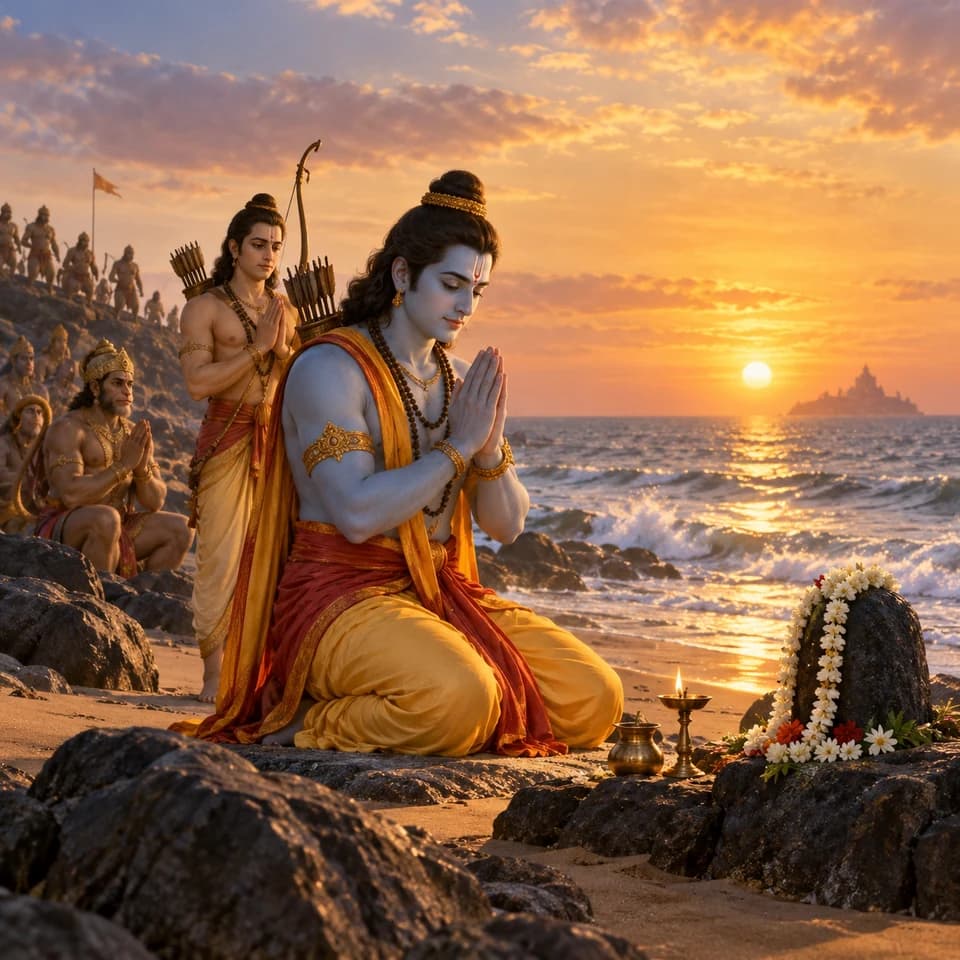
Now his heart changed. These animals could have escaped, yet had come back to keep their word. He thought of his own life, feeding himself and his family by hurting others. He lowered his arrow and let the deer family live.
Shiva appeared, blessed him and offered a boon. The hunter bowed at his feet. In this account Shiva names him Guha, promising him a place at Shringaverapura and the friendship of Rama.
The deer family also bowed to Shiva. The story says they were freed from their lives as deer. The hunter who had waited to kill an animal now spared a whole family. Later, receiving Rama’s grace as Shiva had promised, he ultimately attained union with Shiva.
Why it matters
A sacred night of Shiva worship associated with divine protection, limitless consciousness and Shiva–Shakti. Its principal worship is at night, requiring a location-specific Nishita Kaal calculation.
What people do
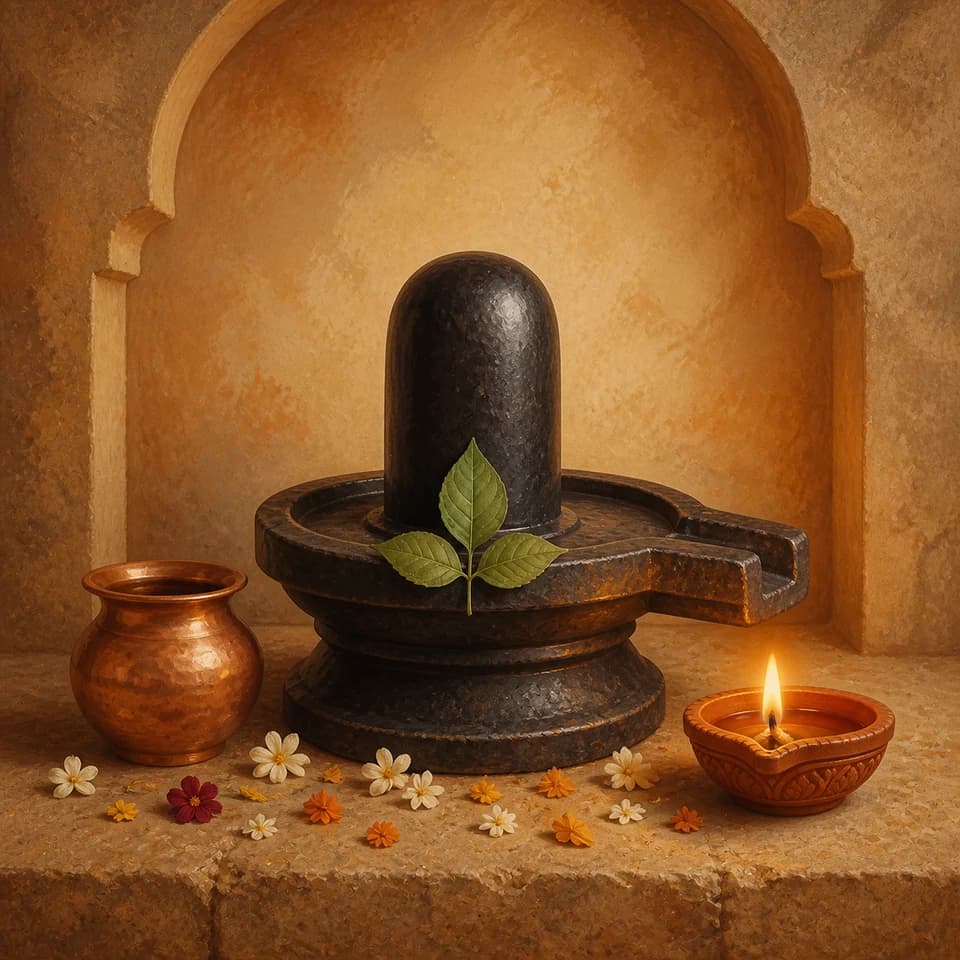
Devotees bathe the Shiva linga, offer bilva leaves and chant “Om Namah Shivaya”. Many temples worship through four watches of the night. Fasting and vigil follow personal health and family tradition.
Told differently elsewhere
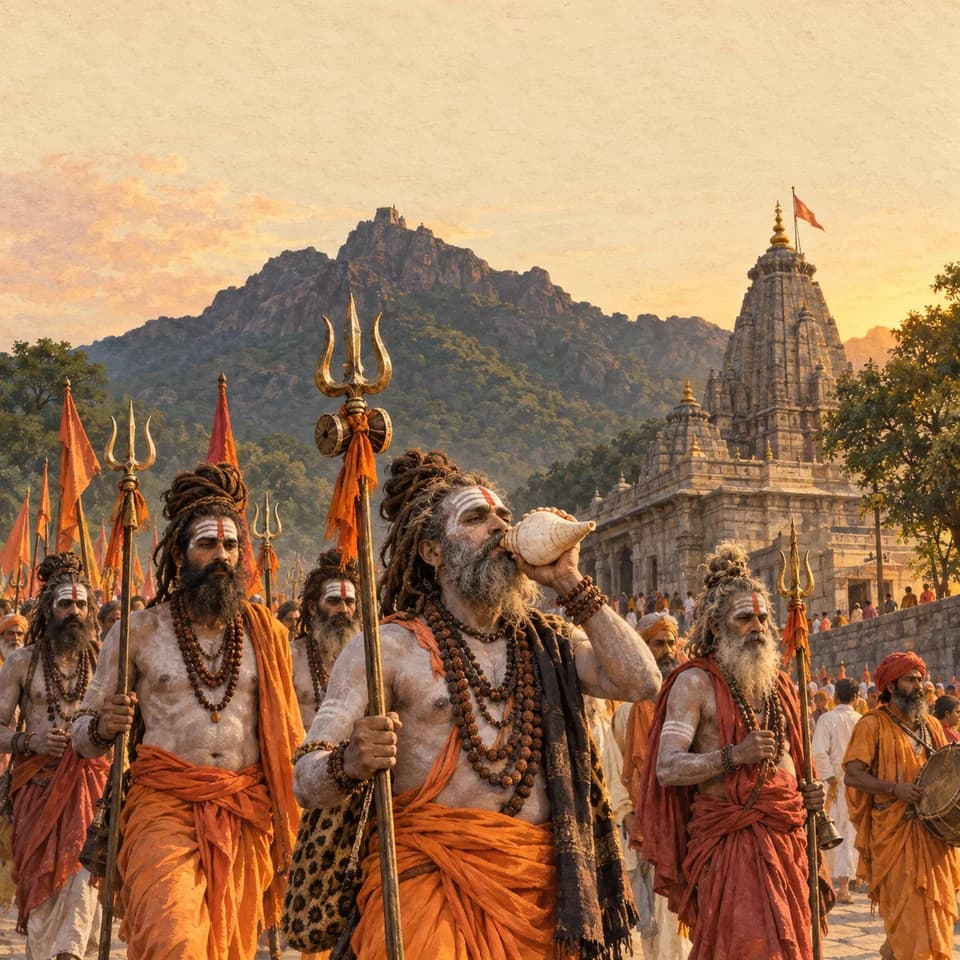
Somnath, Kashi Vishwanath, Ujjain and Pashupatinath have major observances. Gujarat also has the Bhavnath fair; Kashmiri Pandits celebrate Herath according to their own custom.
Questions people ask
- When is Maha Shivratri in 2029?
- On Sunday, 11 February 2029 in India. Runs from 11 Feb 13:30 IST to 12 Feb 14:34 IST.
- Why does the date change every year?
- It is kept by the lunar calendar, so its day on the civil calendar moves from year to year.
- Is the date the same everywhere?
- Yes. It is kept everywhere on the day it falls on in India.
Dates in the coming years
- 2027Saturday, 6 MarchMaha Vad 14 · Puja 00:26
- 2028Wednesday, 23 FebruaryMaha Vad 14 · Puja 00:28
- 2029Sunday, 11 FebruaryMaha Vad 14 · Puja 00:28
- 2030Saturday, 2 MarchMaha Vad 14 · Puja 00:27
- 2031Thursday, 20 FebruaryMaha Vad 14 · Puja 00:28
Last kept15 February 2026