Vaisakhi · Baisakhi as it was kept in 1974.
Next date: 14 April 2027Vaisakhi · Baisakhi 1974
Sunday, 14 April 1974, in Ahmedabad
FestivalIndian · Hindu
Panchang on the day
14
Sunday
Waning Seventh
until 07:11
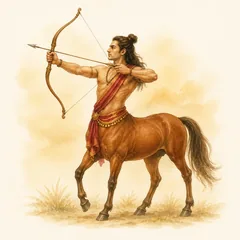
Sagittarius
- ભBha
- ધDha
- ફPha
- Sunrise
- 06:19
- Sunset
- 19:01
- Moonrise
- 00:53
- Nakshatra
- Purva Ashadha
- until 12:06
- Yoga
- Shiva
- until 11:16
- Karana
- Bava
- until 07:11
- Rahu Kalam 17:25 to 19:01
- Yamaganda 12:40 to 14:15
- Abhijit muhurat 12:14 to 13:05
Why this date
The sun enters Aries, taken at midnight
The sun changes sign at 14 Apr 01:16 IST.
In short
Vaisakhi has special importance in Sikh tradition as the day of the Khalsa’s founding. On Vaisakhi in 1699, Guru Gobind Singh established the Khalsa at Anandpur Sahib. In Punjab, this season is also associated with the joy of the harvest. This is the account of the Khalsa’s founding as told by Sikh institutions.
The story
In the tradition of the Sikh Gurus, remembering God went hand in hand with honest living and serving others. Guru Gobind Singh became the tenth Guru after Guru Tegh Bahadur’s martyrdom in 1675. He carried forward the community’s spiritual guidance alongside the responsibility of protecting religious freedom.
Guru Gobind Singh had the responsibility of preparing the Sikh community to face difficult times and protect the oppressed. In 1698, he told Sikh congregations in different regions to come directly to Anandpur rather than through certain masands, or local intermediaries. Complaints about the masands had reached him. This strengthened the direct relationship between the Guru and the congregation.
For Vaisakhi in 1699, the Guru called the congregation to assemble at Anandpur Sahib. Large numbers of Sikhs came from different regions. At this Vaisakhi gathering, the Guru stepped forward with an unsheathed sword in his hand. He asked a Sikh who was ready to offer his head for the faith to come forward.
Sikh tradition recounts that the gathering fell silent on hearing this request. The Guru called again. Daya Ram of Lahore stepped forward. Expressing trust in the Guru, he showed his readiness to offer his life. The Guru took him into a nearby tent.
Then the Guru again called for someone from the gathering to come forward. One after another, four more Sikhs answered the call. They too went into the tent. In this way, five men came forward to dedicate their lives to the Guru. After a while, the Guru appeared before the gathering with all five.
All five were alive and dressed in matching clothes and turbans. They also carried kirpans. The Guru honoured them as the Panj Pyare, the Five Beloved Ones. Their willingness to offer their lives is remembered as a test of faith and fearlessness.
These Panj Pyare became known as Bhai Daya Singh, Bhai Dharam Singh, Bhai Himmat Singh, Bhai Mohkam Singh and Bhai Sahib Singh. Lahore, Hastinapur, Jagannath Puri, Dwarka and Bidar are respectively associated with them. They did not all come from one region or one social background.
The Guru gave no place among them to distinctions of birth and caste. These five, from different homes, occupations and regions, became members of one brotherhood. Instead of treating some as high and others as low, importance was given to their shared identity and the responsibility they accepted together.
Amrit was then prepared. Water and sugar sweets called patashas were placed in an iron bowl. With the recitation of Gurbani, the Guru stirred it using a khanda, a double-edged sword. Initiation with this amrit prepared using the khanda is called Khande di Pahul.
The Guru initiated all five with amrit. The tradition describes them drinking it and having it sprinkled on their eyes and hair. All five were joined as members of one community. Singh was added to their names, carrying the ideal of living fearlessly like a lion.
The Guru brought forth this community as the Khalsa. It was more than a group wearing the same clothes. It combined devotion to God, brotherhood without caste distinctions and readiness to protect those in need. The Panj Pyare became the Khalsa’s first initiated members.
This identity carried the discipline of keeping the Five Ks: kesh, uncut hair; kangha, a comb; kara, an iron bracelet; kachhera, a particular undergarment; and kirpan. These articles came with the responsibility of living according to the Guru’s path.
The Khalsa was taught to have faith in one God, remember the divine name and serve people. Supporting the vulnerable and standing against oppression were part of this path. Courage was joined with humility, and commitment to one’s own faith with equal respect for every person. Bearing arms was also linked to the responsibility of protection.
After initiating all five, the Guru himself bowed before them and requested amrit in the same way. The Panj Pyare gave him amrit. The Guru who had initiated the five now received initiation from them. This mutual relationship between the Guru and the Khalsa became a very important part of the occasion.
Other Sikhs began joining the Khalsa that had started with the Panj Pyare, receiving amrit themselves. Instead of remaining spectators at the gathering, they accepted the discipline and service entrusted by the Guru. That Vaisakhi at Anandpur Sahib became a memory of renewed commitment for the congregation.
Even today, Sikhs who wish to join the Khalsa receive amrit from the Panj Pyare. Remembering Vaisakhi in 1699 renews the responsibility of living with devotion to the Guru, equality and service.
Why it matters
For Sikhs, Vaisakhi commemorates the founding of the Khalsa. Faith brings responsibility for courage, equality for discipline, and devotion for service to humanity. The equal honour given to Panj Pyare from different backgrounds, and the Guru himself receiving amrit from them, clearly express this spirit.
What people do
Gurdwaras hold readings of Gurbani, kirtan and ardas. The congregation offers service and prepares langar, food for everyone. Some places hold Amrit Sanchar, where willing participants receive Khalsa initiation. This initiation may also take place at other times of the year.
During Nagar Kirtan, the congregation proceeds with Guru Granth Sahib at its head, singing Gurbani and accompanied by the Panj Pyare. Langar and other services are arranged along the way. The local gurdwara announces the programme’s day and time.
Told differently elsewhere
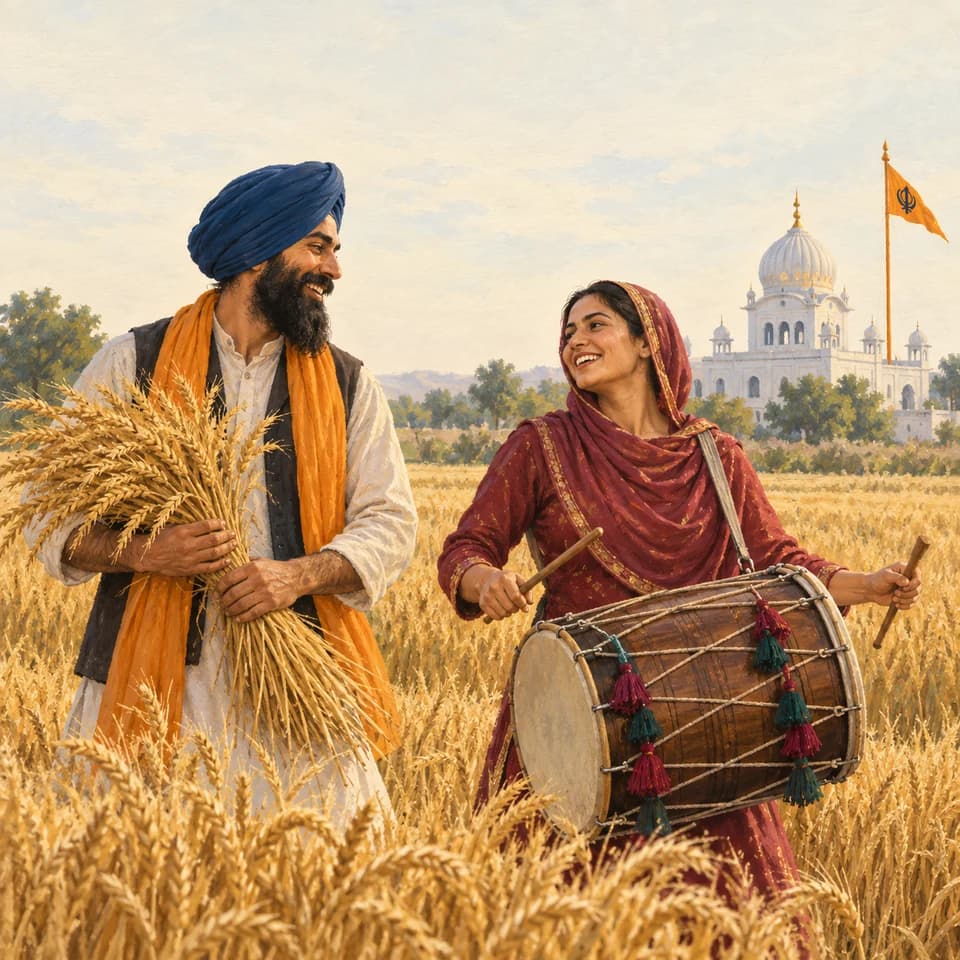
In Punjab, Vaisakhi is also associated with the joy of the spring harvest, especially wheat. Agricultural fairs, songs and folk traditions such as bhangra and giddha are part of the season. This cultural harvest celebration and the Sikh commemoration of the Khalsa’s founding have their own distinct identities.
Besides Anandpur Sahib and Punjab’s gurdwaras, Sikh congregations elsewhere in India and in countries such as Britain and Canada celebrate Vaisakhi. Kirtan, Nagar Kirtan, langar and service activities follow local arrangements. Other regions also celebrate New Year festivals in this season, but their traditions and ways of determining dates are their own.
Questions people ask
- When is Vaisakhi · Baisakhi in 1974?
- On Sunday, 14 April 1974 in India. The sun changes sign at 14 Apr 01:16 IST.
- Why does the date change every year?
- It is kept when the sun enters a sign, so its date moves by a day at most.
- Is the date the same everywhere?
- Yes. It is kept everywhere on the day it falls on in Amritsar.
Dates in the coming years
- 2027Wednesday, 14 AprilChaitra Sud 8
- 2028Thursday, 13 AprilChaitra Vad 4
- 2029Saturday, 14 AprilChaitra Sud 1
- 2030Sunday, 14 AprilChaitra Sud 11
- 2031Monday, 14 AprilChaitra Vad 7
Last kept14 April 2026